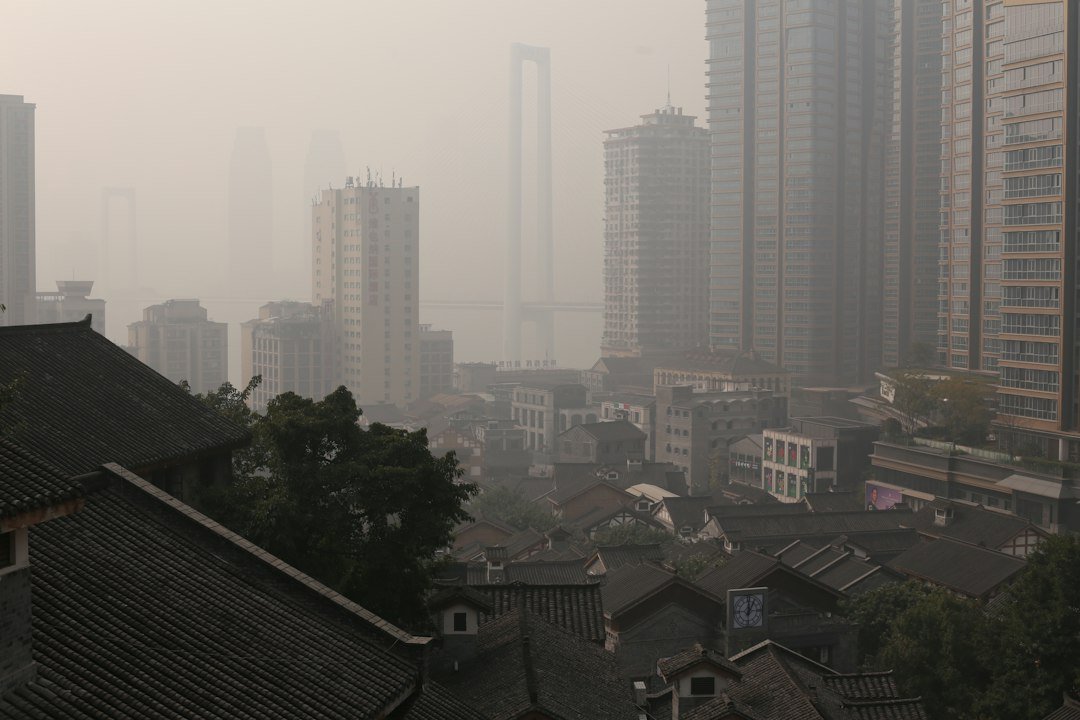
If you live in Lahore, Karachi, or almost any major Pakistani city, you don’t need a news report to tell you the air has changed. Every winter, a thick grey haze settles over the skyline, the sun turns into a dull orange smudge by 10 a.m., and half the people around you seem to be coughing, clearing their throats, or complaining of burning eyes. What used to be called “fog” is now more accurately called smog – a toxic mix of smoke, dust, vehicle exhaust, and industrial emissions that doesn’t just reduce visibility, it quietly damages the lungs of everyone who breathes it.
Why Lahore and Karachi’s Air Has Become a Health Crisis
In recent smog seasons, Lahore and Karachi have repeatedly ranked among the most polluted cities in the world, with air quality indexes climbing into the “very unhealthy” and “hazardous” range for days at a stretch. This isn’t a one-off bad week – it’s become a predictable seasonal pattern, driven by a combination of vehicle emissions, industrial smoke, brick kilns, crop residue burning in nearby agricultural belts, and weather conditions that trap pollution close to the ground during the cooler months. For people with healthy lungs, this is uncomfortable. For people with COPD, asthma, or other chronic respiratory conditions, it can be genuinely dangerous.
What’s Actually in the Smoke You’re Breathing
Smog isn’t a single pollutant – it’s a cocktail. The component doctors worry about most is PM2.5: fine particulate matter small enough to travel deep into the lungs and even cross into the bloodstream. In Pakistani cities, this comes from vehicle exhaust (especially older diesel engines), industrial units, generators used during load-shedding, and seasonal crop burning. In many households, especially in smaller towns and rural areas around Lahore, Multan, and Peshawar, there’s a second, often overlooked source: biomass smoke from cooking with wood, dung cakes, or crop residue on open stoves indoors. Research on indoor air pollution in Pakistan has repeatedly linked daily exposure to biomass smoke with higher rates of chronic respiratory symptoms, particularly among women and children who spend the most time near the cooking fire.
How Polluted Air Damages Your Lungs Over Time
The lungs are remarkably good at filtering out larger dust particles, but PM2.5 is small enough to slip past those defenses. Medical research has linked long-term exposure to fine particulate pollution with inflammation of the airways, a faster decline in lung function, and a higher risk of developing or worsening conditions like COPD (chronic obstructive pulmonary disease). For someone who already has a lung condition, smog exposure can trigger flare-ups, increased breathlessness, and in some cases, a chest infection that needs urgent attention. This is why pulmonologists in Pakistan typically see a rise in hospital visits for breathing difficulties every smog season.
Who’s Most at Risk During Smog Season
While nobody’s lungs enjoy a lungful of smog, some groups are considerably more vulnerable: people already living with COPD, asthma, or bronchitis; elderly family members, whose lung capacity naturally declines with age; young children, whose airways are smaller and still developing; pregnant women; and anyone recovering from a recent respiratory illness or chest infection. If you’re a caregiver for an elderly parent or a family member with a chronic lung condition, smog season is usually when you’ll notice them needing more rest, more frequent use of their inhaler, or becoming breathless doing tasks that didn’t bother them a few months earlier.
Warning Signs Your Lungs Are Struggling
It’s worth paying attention to patterns rather than panicking over a single bad day. Signs worth taking seriously include a cough that lingers for more than a couple of weeks, breathlessness during everyday activities like climbing stairs or walking to the market, wheezing, chest tightness, or waking up at night short of breath. None of these symptoms should be self-diagnosed or self-treated at home – they’re a signal to see a doctor or pulmonologist, who can check your oxygen saturation and lung function properly and advise on next steps.
Practical Ways to Protect Your Lungs This Smog Season
You can’t control Lahore or Karachi’s air quality on your own, but you can reduce how much of it reaches your lungs. Checking a daily AQI reading before heading out and limiting outdoor time on the worst days, wearing a properly fitted N95 or similar mask when you do need to go outside, keeping windows closed during peak smog hours and using an air purifier indoors if possible, and avoiding strenuous outdoor exercise during high-pollution days are all sensible steps. If your household still cooks on an open biomass stove indoors, improving ventilation or switching to cleaner fuel where possible can meaningfully reduce the smoke you and your family breathe every day. For a parent or grandparent with an existing lung condition, these precautions matter even more during the months when the smog is at its worst.
When Home Oxygen Therapy Becomes Part of the Picture
For patients whose COPD, severe asthma, or other chronic lung condition is worsened by seasonal pollution, a doctor may recommend supplemental oxygen at home to keep blood oxygen levels stable, especially during flare-ups or on the city’s worst smog days. Families in this situation often start by comparing a 5 LPM oxygen concentrator for lighter, steady oxygen needs against a 10 LPM oxygen concentrator for higher-flow requirements. If the patient still needs to move between rooms, visit the doctor, or travel between cities, a portable oxygen concentrator such as the Kingon P2 or the Kingon P2 Transportable Oxygen Concentrator can make daily life far more manageable than being tied to a single room. You can browse our full range and current pricing on the homepage, read more about who we are on our about us page, or reach our Lahore, Karachi, Islamabad, or Peshawar team directly through the contact us page for guidance on choosing the right machine for your family.
A Reminder Before You Decide Anything
Smog season is hard on everyone’s lungs, but it doesn’t have to catch your family unprepared. Simple precautions, paying attention to warning signs, and knowing your options in advance can make a real difference. That said, this article is for general awareness only and isn’t a substitute for a proper medical evaluation. If you or a loved one are experiencing ongoing breathlessness, a persistent cough, or any of the warning signs mentioned above, please consult a doctor or pulmonologist for an accurate diagnosis and personalised treatment plan before making any decisions about oxygen therapy or home equipment.
Reviewed by Moin Uddin, Oxygen Concentrators Pakistan.
Last updated: October 2, 2026.
This information is for general education and does not replace advice from your doctor. Oxygen therapy should be used on a doctor's advice.