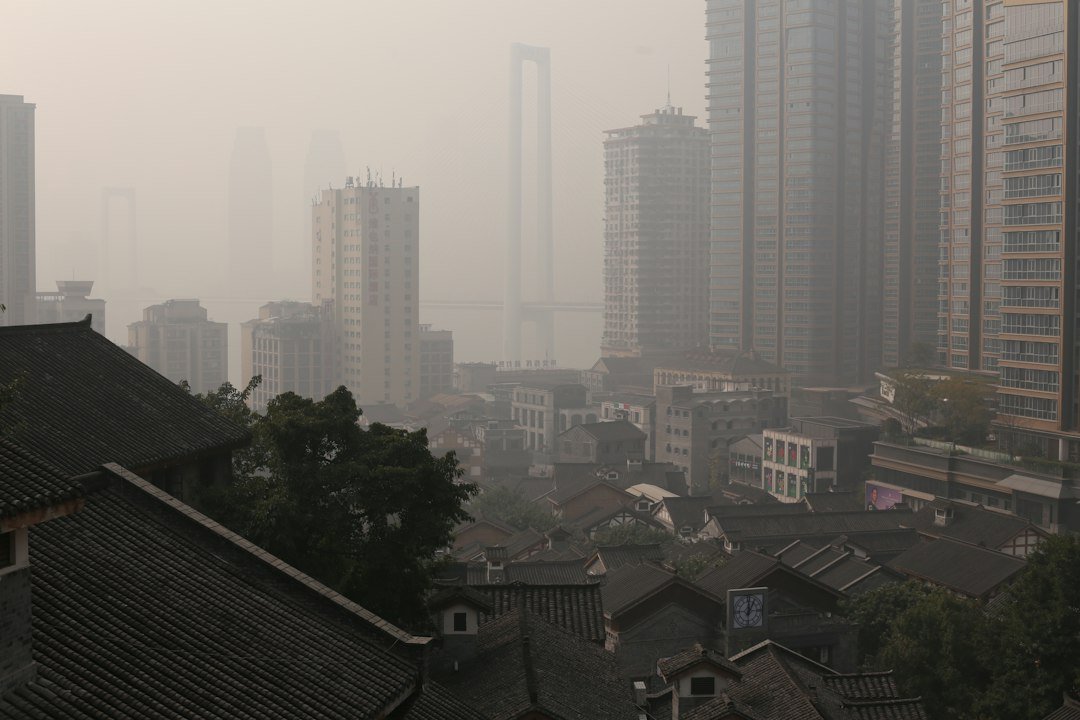
If you live in Lahore, Karachi, or almost any major Pakistani city, you don’t need a news report to tell you the air has changed. Every winter, a thick grey haze settles over the skyline, the sun turns into a dull orange smudge by 10 a.m., and half the people around you seem to be coughing, clearing their throats, or complaining of burning eyes. What used to be called “fog” is now more accurately called smog – a toxic mix of smoke, dust, vehicle exhaust, and industrial emissions that doesn’t just reduce visibility, it quietly damages the lungs of everyone who breathes it.
COPD & Lung Health
Chest Infections in Pakistan: Warning Signs You Shouldn’t Ignore & When You Need Oxygen Support

Every winter, as smog settles over Lahore, Karachi and Islamabad and hospital OPDs fill up with coughing patients, doctors across the country report the same pattern: a “simple” cold that turns into something far more serious within a matter of days. Chest infections — bronchitis, pneumonia, and infected COPD flare-ups — are among the most common reasons Pakistani families end up in an emergency room each winter, and for someone who is elderly, has COPD or asthma, or already has a weak chest, what starts as a nagging cough can quietly become a breathing emergency. The hard part is knowing where that line is. Most chest infections clear up on their own with rest, fluids and the right medication, but a smaller number progress to the point where the lungs can no longer pull enough oxygen into the blood — and by then, timing matters. This guide walks through the warning signs no family in Pakistan should ignore, explains in plain language how oxygen levels are used to judge severity, and looks at when supplemental oxygen at home can genuinely support a safer recovery.
COPD in Pakistan: Symptoms, Causes & How Home Oxygen Therapy Helps

Chronic Obstructive Pulmonary Disease, or COPD, is quietly becoming one of Pakistan’s most common lung conditions — driven by high smoking rates, biomass and wood-smoke cooking in rural households, and the thick smog that blankets cities like Lahore, Faisalabad, and Karachi every winter. Many patients live with breathlessness for years before they’re diagnosed, mistaking it for “just getting older” or “weak lungs.”
In this guide, we’ll cover the early warning signs of COPD, what causes it in the Pakistani context, and how oxygen therapy at home can help patients breathe easier and stay out of the hospital.