Oxygen Concentrator Maintenance Tips: Extending the Life of Your Machine

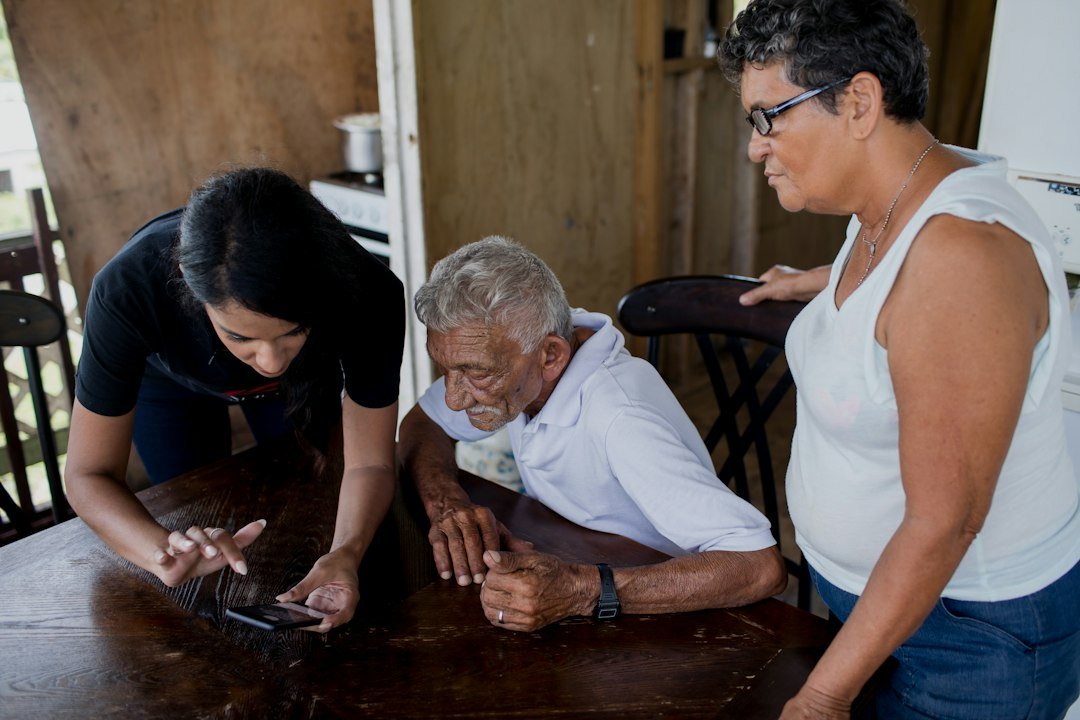
Caregiver checking in with a family member at home, representing routine oxygen concentrator maintenance care in Pakistan

An oxygen concentrator is one of the most important investments a family makes for a loved one’s health — and in Pakistan, where units are imported and replacement parts aren’t always available on short notice, keeping that machine running smoothly for years matters even more than usual. Dust from construction sites, biomass smoke drifting in from nearby kitchens, thick winter smog, and frequent voltage fluctuations during load-shedding all put extra strain on a concentrator that wasn’t really designed with Pakistani conditions in mind.

The good news is that most of what damages a concentrator early is preventable with a few simple habits. In this guide, we’ll walk through the daily, weekly, and monthly maintenance every oxygen concentrator owner in Pakistan should know, plus the local-specific risks — like dust, humidity, and power cuts — that can quietly shorten your machine’s life if ignored.


Read more

How to Choose the Best Oxygen Concentrator Brand in Pakistan (Buying Guide)

Doctor consulting a patient about choosing the right home oxygen therapy equipment in Pakistan

Walk into almost any pharmacy or medical equipment shop in Lahore, Karachi, or Islamabad today and you’ll find a shelf of oxygen concentrators in every price range, all claiming to be “the best.” For a family trying to make the right call for an ageing parent with COPD, a relative recovering from a chest infection, or simply preparing for another smog-heavy winter, that much choice can feel more overwhelming than reassuring. The truth is that most of the confusion disappears once you know exactly which five or six things actually matter — and which ones are just marketing.

Read more

Signs You or a Loved One May Need Oxygen Therapy at Home in Pakistan

Caregiver checking on an elderly patient at home, watching for signs of low oxygen

You notice your father gets winded just walking from the bedroom to the bathroom. Your grandmother seems unusually confused in the evenings. Your own chest still feels tight weeks after a bad flu. These small, easy-to-dismiss changes are sometimes your body’s way of telling you that it isn’t getting enough oxygen — and in Pakistan, where chest infections, smog, and years of biomass smoke exposure are common, that possibility is worth taking seriously rather than brushing off as “just tiredness” or “just old age.”

Read more

Uses of a Portable Oxygen Concentrator: Travel, Work & Daily Life in Pakistan

Traveler walking through an airport terminal, representing air travel with a portable oxygen concentrator

Getting told you need supplemental oxygen can feel like the end of an active life — no more family weddings in Lahore, no more flights to see grandchildren in Karachi, no more Umrah trips, no more going to the office. For most patients, that fear is out of date. A portable oxygen concentrator (POC) is small enough to carry on one shoulder, runs on a rechargeable battery instead of a heavy cylinder, and is built to go wherever daily life goes. Here’s a practical look at how patients and families across Pakistan actually use a portable concentrator day to day, and what to know before you travel with one.

Read more

5 LPM vs 10 LPM Oxygen Concentrator: Which One Do You Need?

Doctor consulting with an elderly patient about oxygen flow rate prescription

One of the most common questions our team hears from families in Lahore, Karachi, Islamabad, and Peshawar isn’t whether to buy a concentrator — it’s which size. Walk into almost any medical equipment shop and you’ll be shown both a 5 LPM and a 10 LPM machine, often with the bigger one pitched as the “safer” choice simply because it looks more powerful. That’s the wrong way to decide. The right machine depends entirely on what your doctor has actually prescribed, not on which box looks more reassuring on a shop shelf. Here’s what the numbers mean and how to tell which one is right for your situation.

Read more

Why Do Doctors Recommend Oxygen Therapy? Common Conditions Explained

Doctor discussing oxygen therapy and treatment options with an elderly patient and family member in a hospital office

“Why has the doctor put my father on oxygen?” is one of the most common questions families ask us at Electromed Corporation, usually right after a hospital visit or a pulmonologist’s appointment in Lahore, Karachi, Islamabad, or Peshawar. Oxygen therapy can sound alarming the first time it’s mentioned, but in most cases it’s simply a doctor correcting a measurable shortfall — the blood isn’t carrying enough oxygen to the body’s organs, and supplemental oxygen fixes that gap safely. Here’s a clear look at the conditions that most often lead to an oxygen prescription in Pakistan, and how doctors actually decide when it’s needed.

Read more

10 Benefits of Using an Oxygen Concentrator at Home

Caregiver assisting an elderly patient at home, representing the comfort and support an oxygen concentrator brings to Pakistani families

If a doctor has recommended oxygen therapy for you or an elderly parent, one of the first questions most families in Pakistan ask is simple: should we rent a cylinder or buy a concentrator? The honest answer, for most households managing a chronic condition like COPD, lung fibrosis, or a slow recovery after a serious chest infection, is that a home oxygen concentrator solves problems a cylinder never can — refills, running out at 2 a.m., and a never-ending Lahore-to-supplier phone call every few days. Here are ten real, practical benefits that families across Lahore, Karachi, Islamabad, and Peshawar report once they switch to a concentrator.

Read more

How Smog & Air Pollution in Lahore and Karachi Affect Your Lungs (and How to Protect Them)

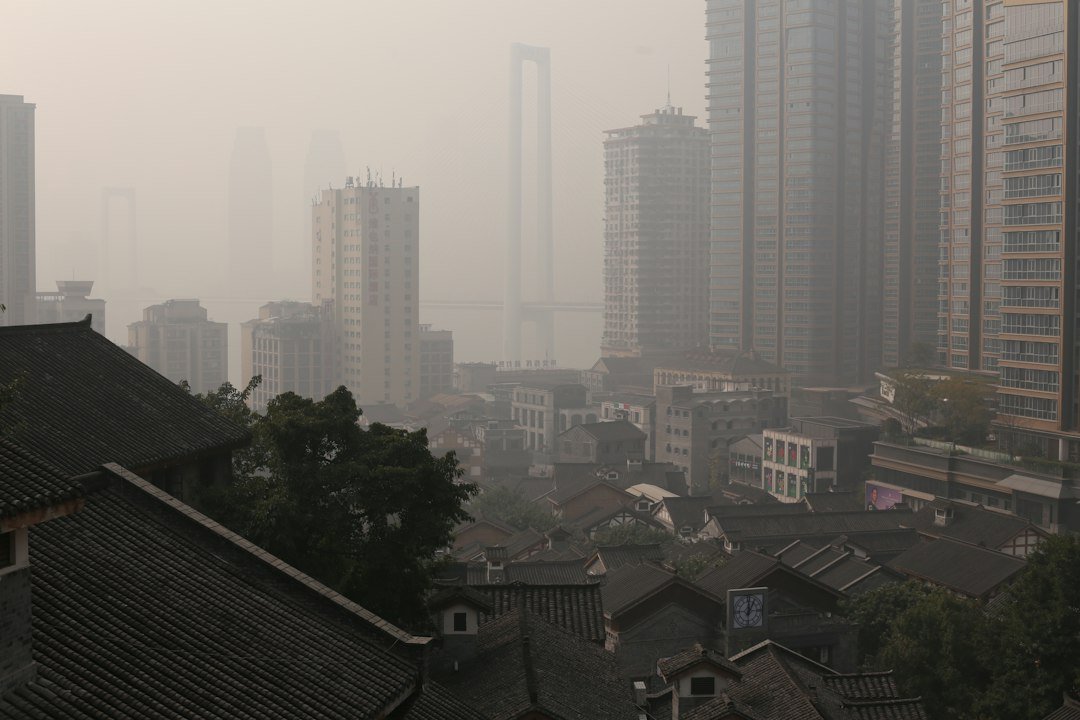
Smoggy city skyline with hazy air pollution over tall buildings, similar to Lahore and Karachi during smog season

If you live in Lahore, Karachi, or almost any major Pakistani city, you don’t need a news report to tell you the air has changed. Every winter, a thick grey haze settles over the skyline, the sun turns into a dull orange smudge by 10 a.m., and half the people around you seem to be coughing, clearing their throats, or complaining of burning eyes. What used to be called “fog” is now more accurately called smog – a toxic mix of smoke, dust, vehicle exhaust, and industrial emissions that doesn’t just reduce visibility, it quietly damages the lungs of everyone who breathes it.

Read more

Chest Infections in Pakistan: Warning Signs You Shouldn’t Ignore & When You Need Oxygen Support

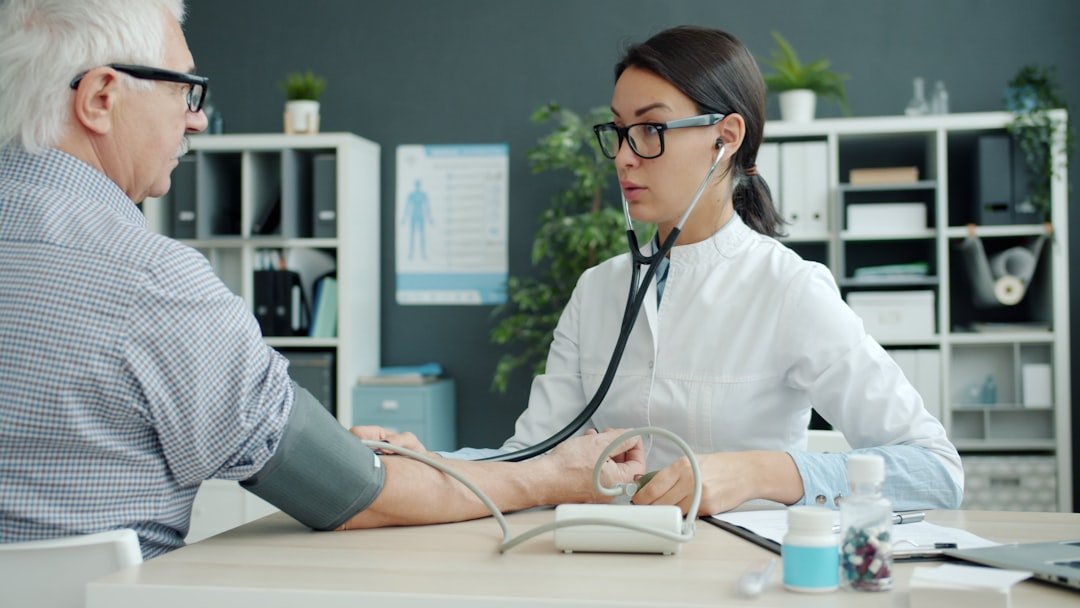
Doctor checking an elderly patient's oxygen levels and chest during a checkup in Pakistan

Every winter, as smog settles over Lahore, Karachi and Islamabad and hospital OPDs fill up with coughing patients, doctors across the country report the same pattern: a “simple” cold that turns into something far more serious within a matter of days. Chest infections — bronchitis, pneumonia, and infected COPD flare-ups — are among the most common reasons Pakistani families end up in an emergency room each winter, and for someone who is elderly, has COPD or asthma, or already has a weak chest, what starts as a nagging cough can quietly become a breathing emergency. The hard part is knowing where that line is. Most chest infections clear up on their own with rest, fluids and the right medication, but a smaller number progress to the point where the lungs can no longer pull enough oxygen into the blood — and by then, timing matters. This guide walks through the warning signs no family in Pakistan should ignore, explains in plain language how oxygen levels are used to judge severity, and looks at when supplemental oxygen at home can genuinely support a safer recovery.

Read more

Oxygen Concentrator vs Oxygen Cylinder: Which Is Better & Cheaper in Pakistan?

Caregiver checking on an elderly patient at home while considering oxygen therapy options in Pakistan

If a doctor has just told you or a family member to start oxygen therapy at home, one of the very first practical questions you’ll face is: cylinder or concentrator? It’s a decision families across Lahore, Karachi, Islamabad, and Peshawar make every day — often right at hospital discharge, when there’s little time to compare options. The short answer is that for most ongoing, home-based use, an oxygen concentrator works out cheaper, safer, and far more convenient than refillable oxygen cylinders. But the right choice still depends on how long you’ll need oxygen, your budget, and your daily routine.

Read more