Oxygen Concentrator Maintenance Tips: Extending the Life of Your Machine

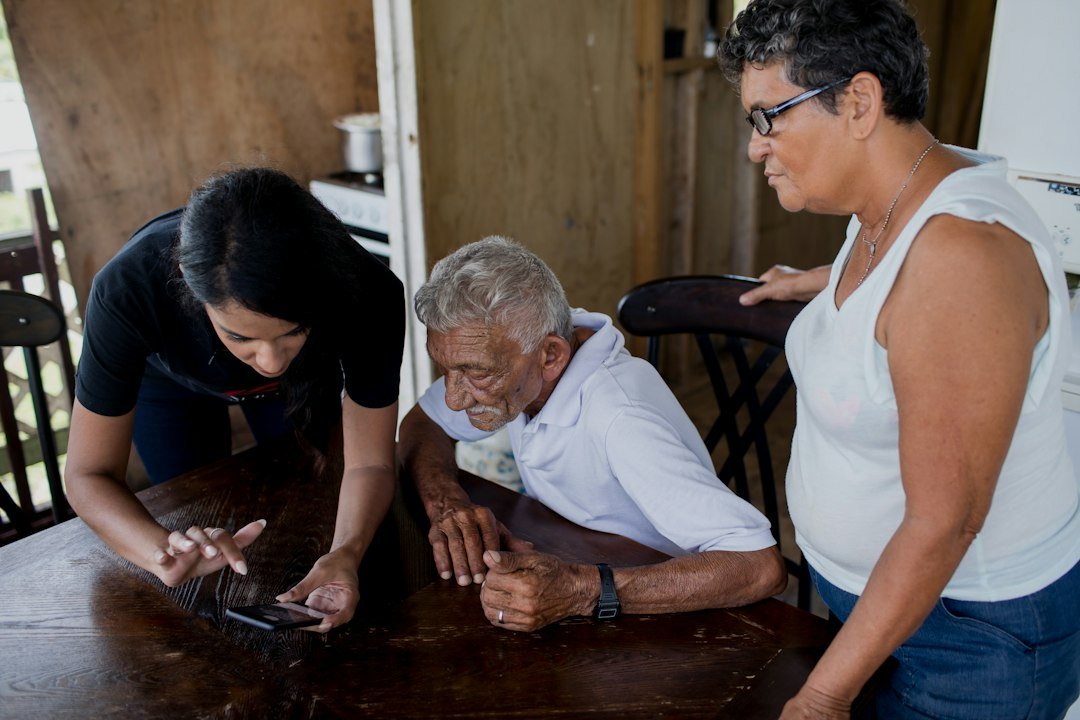
Caregiver checking in with a family member at home, representing routine oxygen concentrator maintenance care in Pakistan

An oxygen concentrator is one of the most important investments a family makes for a loved one’s health — and in Pakistan, where units are imported and replacement parts aren’t always available on short notice, keeping that machine running smoothly for years matters even more than usual. Dust from construction sites, biomass smoke drifting in from nearby kitchens, thick winter smog, and frequent voltage fluctuations during load-shedding all put extra strain on a concentrator that wasn’t really designed with Pakistani conditions in mind.

The good news is that most of what damages a concentrator early is preventable with a few simple habits. In this guide, we’ll walk through the daily, weekly, and monthly maintenance every oxygen concentrator owner in Pakistan should know, plus the local-specific risks — like dust, humidity, and power cuts — that can quietly shorten your machine’s life if ignored.


Read more

Signs You or a Loved One May Need Oxygen Therapy at Home in Pakistan

Caregiver checking on an elderly patient at home, watching for signs of low oxygen

You notice your father gets winded just walking from the bedroom to the bathroom. Your grandmother seems unusually confused in the evenings. Your own chest still feels tight weeks after a bad flu. These small, easy-to-dismiss changes are sometimes your body’s way of telling you that it isn’t getting enough oxygen — and in Pakistan, where chest infections, smog, and years of biomass smoke exposure are common, that possibility is worth taking seriously rather than brushing off as “just tiredness” or “just old age.”

Read more

Uses of a Portable Oxygen Concentrator: Travel, Work & Daily Life in Pakistan

Traveler walking through an airport terminal, representing air travel with a portable oxygen concentrator

Getting told you need supplemental oxygen can feel like the end of an active life — no more family weddings in Lahore, no more flights to see grandchildren in Karachi, no more Umrah trips, no more going to the office. For most patients, that fear is out of date. A portable oxygen concentrator (POC) is small enough to carry on one shoulder, runs on a rechargeable battery instead of a heavy cylinder, and is built to go wherever daily life goes. Here’s a practical look at how patients and families across Pakistan actually use a portable concentrator day to day, and what to know before you travel with one.

Read more

Why Do Doctors Recommend Oxygen Therapy? Common Conditions Explained

Doctor discussing oxygen therapy and treatment options with an elderly patient and family member in a hospital office

“Why has the doctor put my father on oxygen?” is one of the most common questions families ask us at Electromed Corporation, usually right after a hospital visit or a pulmonologist’s appointment in Lahore, Karachi, Islamabad, or Peshawar. Oxygen therapy can sound alarming the first time it’s mentioned, but in most cases it’s simply a doctor correcting a measurable shortfall — the blood isn’t carrying enough oxygen to the body’s organs, and supplemental oxygen fixes that gap safely. Here’s a clear look at the conditions that most often lead to an oxygen prescription in Pakistan, and how doctors actually decide when it’s needed.

Read more

10 Benefits of Using an Oxygen Concentrator at Home

Caregiver assisting an elderly patient at home, representing the comfort and support an oxygen concentrator brings to Pakistani families

If a doctor has recommended oxygen therapy for you or an elderly parent, one of the first questions most families in Pakistan ask is simple: should we rent a cylinder or buy a concentrator? The honest answer, for most households managing a chronic condition like COPD, lung fibrosis, or a slow recovery after a serious chest infection, is that a home oxygen concentrator solves problems a cylinder never can — refills, running out at 2 a.m., and a never-ending Lahore-to-supplier phone call every few days. Here are ten real, practical benefits that families across Lahore, Karachi, Islamabad, and Peshawar report once they switch to a concentrator.

Read more